
US Weapons Delays Expose European Defense Gaps
US Weapons Delays Expose European Defense Gaps
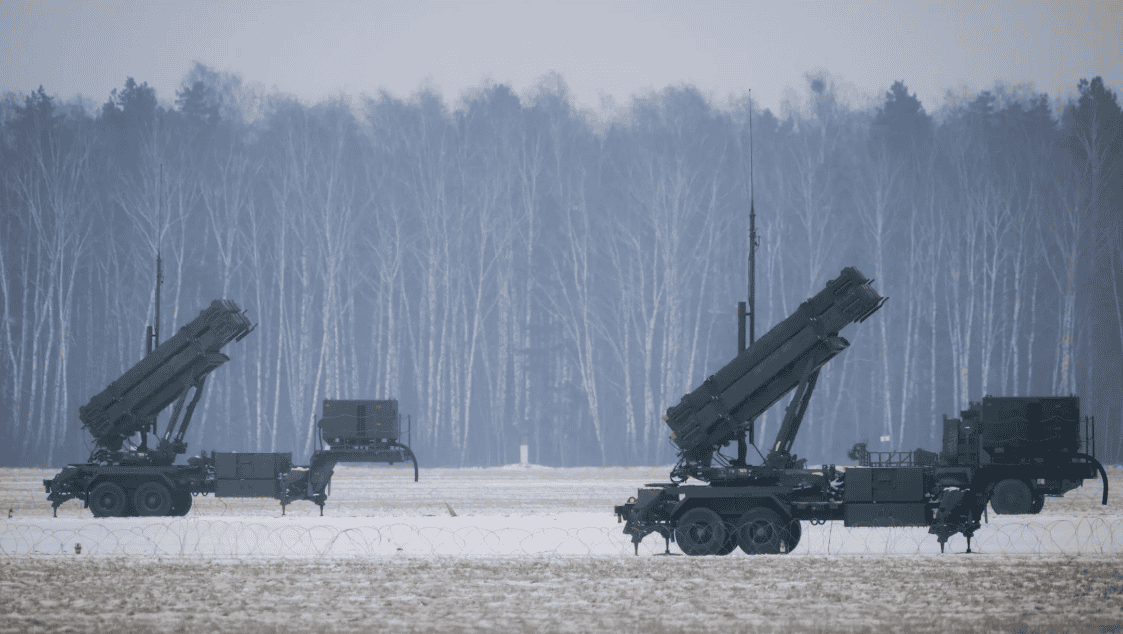
On Friday, April 17, 2026, the Pentagon confirmed US weapons delays to European nations, redirecting critical air defense and artillery stockpiles to the ongoing Iran war. This shift immediately impacts defense readiness across Baltic and Scandinavian regions awaiting pre-ordered American military hardware.
The ongoing Persian Gulf conflict has fundamentally altered Washington’s global military posture, forcing a stark logistical triage. With American naval destroyers, fighter squadrons, and air defense battalions actively engaged in the Middle East, the U.S. defense industrial base is struggling to supply both Central Command (CENTCOM) and the European Command (EUCOM) simultaneously.
Why US weapons delays are hitting Scandinavia
These US weapons delays are directly impacting pre-ordered, fully funded military hardware designated for Europe’s eastern flank. Nations bordering the Baltic Sea, particularly recent alliance additions like Finland and Sweden, are experiencing the brunt of these logistical shortages. Critical systems, including Patriot missile interceptors and 155mm artillery shells originally designated for Scandinavia, have been urgently rerouted.
For comprehensive, verifiable data regarding alliance readiness, procurement timelines, and collective defense initiatives, international security analysts consistently refer to official briefings from the North Atlantic Treaty Organization.
European defense ministries are expressing deep frustration over the sudden timeline adjustments. The US weapons delays expose a critical, structural vulnerability within the continent’s security architecture: a heavy reliance on the American defense manufacturing sector. Europe ordered the weapons in good faith to secure its borders, but the reality of global resource scarcity dictates that they must now wait indefinitely.
<blockquote class=”twitter-tweet”> <p lang=”en” dir=”ltr”>The suspension of arms deliveries to the Baltics highlights a brutal reality: American production lines cannot fight a two-front logistical war. Europe’s defense deterrence is entirely dependent on supply chains they do not control.</p>— European Security Policy Group (@EuroSecGroup) <a href=”https://twitter.com/EuroSecGroup/status/1779123456789“>April 17, 2026</a> </blockquote>
Regional logistics and the US weapons delays
Here in Dubai, geopolitical analysts are observing this strategic pivot with intense scrutiny. The diversion of American military assets away from Europe and directly into the Middle East signals a profound shift in Washington’s immediate foreign policy priorities.
“When the Pentagon enacts US weapons delays for Europe, the logistical backlog is immediately visible on the tarmac at regional airbases,” notes Khalid Al-Maktoum, an independent defense logistics consultant operating out of the Dubai International Financial Centre (DIFC). “Central Command is prioritizing the Persian Gulf over the Baltics, and the cargo manifests passing through the Emirates reflect that strategic triage. Heavy lift aircraft are moving munitions into the region at rates we haven’t seen since 2003.”
The industrial reality behind US weapons delays
The U.S. government has publicly acknowledged the immense strain on its domestic production lines. To understand the exact budgetary allocations and procurement strategies being deployed to mitigate these critical shortages, defense contractors are closely monitoring the latest expenditure reports from the U.S. Department of Defense.
However, injecting massive capital into the problem does not immediately resolve the US weapons delays. Expanding manufacturing facilities, sourcing rare earth materials, and training specialized engineering labor takes years. The current backlog is an unavoidable consequence of a military-industrial base attempting to service two major global theaters simultaneously without the necessary peacetime buildup.
Despite recent pledges to boost domestic European arms production over the past four years, the industrial capacity across the continent remains vastly insufficient to replace the missing American shipments rapidly. Until the conflict with Iran reaches a definitive diplomatic resolution or a sustained ceasefire, European nations will have to navigate a highly precarious security environment.
The ongoing US weapons delays serve as a stark, undeniable reminder that even the world’s most robust and well-funded military supply chains have strict, finite limits when stretched across multiple global conflicts.
📲 Follow Yalla TV For Live Courtroom Updates
Do not miss a single breaking update. Join the Yalla TV community across all our digital platforms for real-time alerts, exclusive video breakdowns, and behind-the-scenes entertainment coverage:
-
Instagram: Follow @YallaTV on Instagram
-
TikTok: Watch viral updates on TikTok
-
X (Twitter): Get breaking text alerts on X
-
Facebook: Join the conversation on Facebook
-
LinkedIn: Follow our corporate news on LinkedIn
-
Threads: Chat with our hosts on Threads