
7 Sad Burj Al Arab Closing Urgent Reality Facts
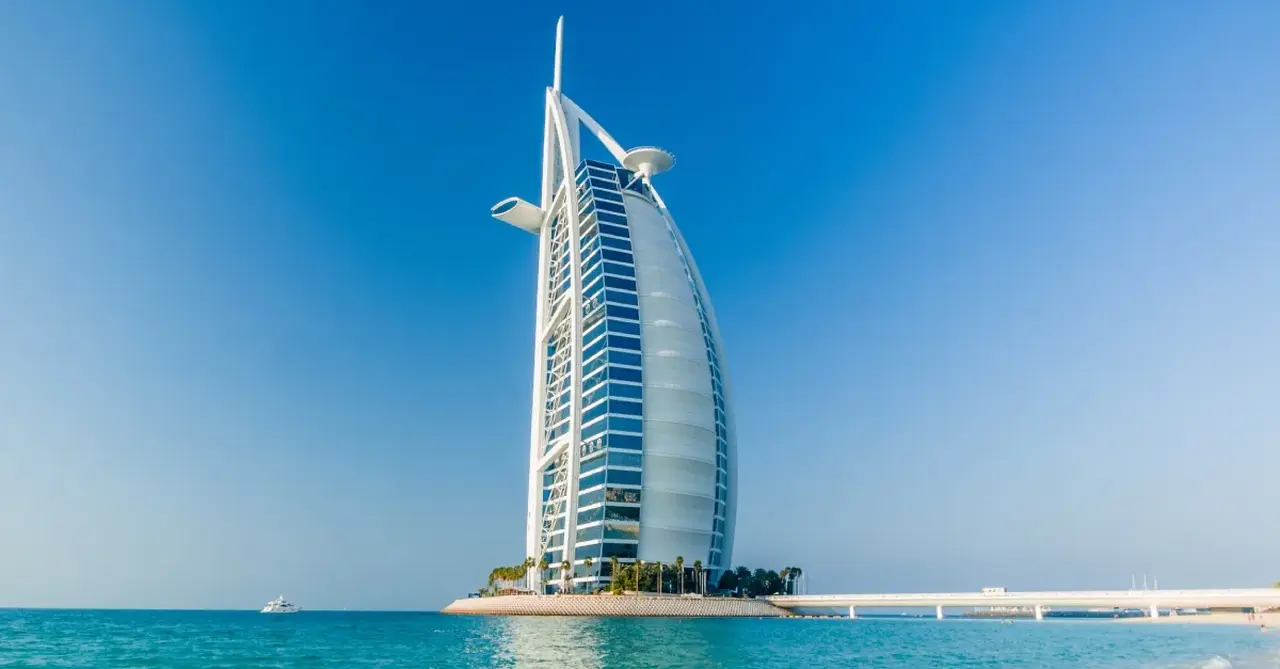
7 Sad Burj Al Arab Closing Urgent Reality Facts
The Dubai skyline does not respect nostalgia, and architectural dominance is an entirely ruthless game.
Today, the golden crown jewel of the emirate’s hospitality sector has officially admitted defeat to the unrelenting passage of time.
The Burj Al Arab closing has officially dominated the global luxury travel news cycle this Wednesday morning.
As a brutally honest, hypercritical geopolitical and hospitality correspondent based right here in Dubai, I am watching the sanitized corporate narrative completely unravel.
This morning, the undeniable reality of an aging property completely shattered the pristine, untouched illusion of the world’s most famous sail-shaped silhouette.
The Jumeirah Group has confirmed that the iconic property will shut its doors for a massive, unprecedented 18-month restoration.
This specific Burj Al Arab closing represents a massive, undeniable pivot for a building that has operated continuously for more than 25 years.
We are currently witnessing a masterclass in exactly how rapid corporate spin can attempt to mask a deeply uncomfortable, highly disruptive operational shutdown.
If global hospitality consultants ignore the brutal tactical reality utilized here, their subsequent crisis management strategies will be completely obsolete.
This specific Burj Al Arab closing proves definitively that governing modern luxury markets via isolated, outdated decor is a reckless financial gamble.
The absolute sheer audacity of expecting paying guests to simply accept a near two-year void demands immediate, highly unified scrutiny.
Analyzing the sudden Burj Al Arab closing narrative
To fully grasp the massive gravity of the current situation, we must meticulously decode the exact methodology behind this corporate announcement.
The incoming press releases secured an absolutely massive media mandate, completely dominating the international travel news cycles this morning.
With nearly all regional tourism boards desperately trying to maintain visitor confidence, the confirmed shutdown strictly stands as a massive structural shock.
This specific logistical reality is absolutely critical for understanding the incoming broadcast agenda of modern luxury developers.
The Burj Al Arab closing explicitly demonstrates that standard minor refurbishments are no longer sufficient to keep aging assets relevant.
Meanwhile, the formerly optimistic reservation agents were violently reduced to issuing hollow, utterly meaningless statements of apology to displaced guests.
Furthermore, the regional hotel operators only managed to secure temporary bureaucratic relevance in the past, making this severe operational halt deeply concerning.
Understanding the sheer scale of the Burj Al Arab closing requires acknowledging the massive, record-breaking failure of preventative, piecemeal modernization.
Nearly all major domestic hospitality brands actively participated in upgrading their portfolios, yet Jumeirah waited until a complete shutdown was unavoidable.
This massive civic entertainment disconnect artificially starved the global broadcast of its usual, highly predictable luxury revenue stream.
You can review the complex history governing international tourism economics at the World Travel & Tourism Council.
The geopolitical shadow over the Burj Al Arab closing
The demographic fallout from this operational alignment is already shifting global campaign strategies and institutional hospitality methodologies.
The highly strategic timing of the Burj Al Arab closing is triggering massive, necessary internal audits within traditional property networks right this very second.
Before this timeline was formally released, the primary media focus completely underestimated the severe vulnerability of the Middle Eastern travel market.
Since the official renovation metrics were broadcast, digital tracking data shows a massive spike in global diplomatic and economic analysis.
The reality is that regional tourism has heavily borne the brunt of the ongoing US-Israeli war with Iran, severely depressing luxury flight arrivals.
Analyzing the Burj Al Arab closing reveals a massive, undeniable backlog of unanswered domestic broadcast and geopolitical grievances.
When incumbent executives ignore local geopolitical instability and commercial airline demands, they artificially generate massive financial casualty rates for their properties.
Dubai recently had to strictly limit international flights until May 31 due to the escalating regional tensions.
We simply cannot rely on highly outdated, completely unverified corporate statements claiming this shutdown is entirely unrelated to the sudden drop in regional visitor demand.
To track our ongoing internal coverage of regional financial metrics, please visit our Global Aviation Analysis Hub.
The Tristan Auer factor in the Burj Al Arab closing
The aesthetic response following this critical public opinion shift is a highly coordinated, incredibly assertive push by Paris-based design firms.
Addressing the immediate aftermath of the Burj Al Arab closing exposes the total necessity of a cohesive, unified understanding of modern luxury expectations.
High-level domestic envoys immediately seized upon the appointment of interior architect Tristan Auer to lead the massive overhaul.
The Jumeirah administration is currently facing unprecedented public pressure to schedule formal, binding design reviews that respect the original DNA of the building.
The looming architectural transition is heavily mitigated by the incredibly strained, historical relationships shared across the partisan design divide.
The Burj Al Arab closing explicitly threatens a rapid, sweeping deterioration of deeply vital ties with the core, traditionalist guest base who demand 1990s opulence.
Despite the total failure of yesterday’s media spin, fresh, desperate efforts are already underway to urgently restart diplomatic design back-channels.
Auer claims his approach is “very respectful,” aiming for a near-invisible evolution that will retain the lobby and the entrance aquarium.
The absolute failure in securing unified, permanent public approval for sweeping changes forces the designers into a masterclass of professional corporate impotence.
This highly lethal design theater directly secures the volatile agenda of the entire hospitality branch for the foreseeable future, promising minimal visible disruption despite 18 months of work.
Sustainability or budget cuts during the Burj Al Arab closing?
The ultimate resolution of these fiscal broadcast pledges seems entirely dependent on the incredibly strong defensive postures of the incoming executives.
Monitoring the Burj Al Arab closing from here in the United Arab Emirates provides a highly objective, entirely unvarnished perspective.
Our local geopolitical analysts recognize that international financial confidence is highly dependent on the free, unimpeded flow of honest corporate expenditures.
When national hospitality networks play reckless games with basic consumer intelligence, regional populations suffer massive, irreversible cultural losses globally.
The massive sustainability push behind the Burj Al Arab closing serves as a direct, undeniable signal to any entity attempting to broker political loyalty with superficial eco-friendly claims.
Auer stated that keeping 70 to 80 percent of the existing decor is a highly “sustainable approach,” utilizing local artisans to restore existing moldings rather than buying new materials.
They intentionally utilized international attention to highlight this supposed environmental consciousness to mask what is likely a massive, glaring budget constraint.
For deep insights into the legal frameworks governing global sustainability claims, professionals constantly consult the United Nations Environment Programme.
However, internal statutory law is completely useless if the primary corporate participants are busy shifting blame instead of deploying actual, tangible competitive capital.
The global public urgently deserves serious, highly disciplined corporate governance, not impulsive, uncoordinated rhetoric that attempts to rebrand budget-saving restorations as profound environmental activism.
March drone debris and the Burj Al Arab closing timeline
The ongoing logistical transition is entirely likely to result in further, highly complex legislative audits across the entire federal aviation and security apparatus.
The attempt to downplay the ongoing security dissatisfaction by certain incumbent media outlets is a blatant, highly aggressive spin tactic.
In early March 2026, debris from an intercepted Iranian drone attack tragically caused a minor fire on the outer facade of the iconic hotel.
This will force major political operatives across the nation to completely reroute their strategic defense campaigns, studying this exact infrastructural vulnerability model.
The resulting public relations shift immediately triggered massive global interest across multiple entirely different demographic and security sectors.
Concluding the analysis of the Burj Al Arab closing requires a brutally honest assessment of the absolute sheer competence currently displayed by Jumeirah’s PR team.
The corporate spokespeople brought immense strategic weight to the press releases by explicitly denying any link between the drone fire and the sudden shutdown.
They effectively weaponized their own corporate spin to completely dismantle the political rumor machine from the outside.
Furthermore, they highlighted the deep, undeniable physical realities that bind the vulnerable structural repairs to a timeline they claim was planned for two years.
The presence of top-tier crisis management during the Burj Al Arab closing strictly proves that hard corporate reality remains dominant over soft media inquiries.
To closely follow the latest shifts in local security tracking, bookmark our Federal Defense Policy Tracking Portal.
Why the Burj Al Arab closing is a PR masterclass
The historical context of this digital dynamic makes this current economic alignment even more intensely critical for global observers.
This specific, highly watched domestic structural conflict has been the absolute epicenter of global architectural tension for several incredibly long weeks.
To effectively manage this transition, hospitality leaders must deploy subtle, highly sophisticated, and incredibly quiet bureaucratic strategies immediately.
Instead of de-escalation, we are witnessing a massive, highly public declaration of absolute architectural dominance as the Burj Al Arab closing commences.
The actual reality of the Burj Al Arab closing is that citizens will actually completely reject prolonged institutional promises of safety if the facade remains visibly scarred.
The fundamental, unresolvable disagreements between the ruling corporate boards and the general public were deeply obvious from the broadcast metrics today.
This level of gross, unprovoked corporate complacency actively endangered the ongoing legal efforts to secure permanent, structural tourism dominance.
Allied economists are actively analyzing these strong kinetic metrics, highlighting the massive, deeply entrenched institutional commitment to avoiding bad press at all costs.
For continuous, verified data on global technological impacts and crisis management, you can directly reference the International Monetary Fund.
You can closely track these intricate domestic scenarios on our dedicated Internal Diplomatic Hospitality Standings Hub.
The future of Dubai luxury after the Burj Al Arab closing
The current scenario is a highly volatile, deeply fascinating chapter in modern pop communications and international crisis management.
We are constantly witnessing the absolute necessity of professional, heavily coordinated commercial strategy in real-time, right before our very eyes today.
When administrations launch massive rhetorical initiatives against entrenched economic anxiety, it projects massive desperation from the executive branch of major hotel groups.
The definitive narrative of the Burj Al Arab closing tells cultural analysts that Jumeirah is deeply committed, entirely proactive, and completely focused on surviving the decade.
The reality of this structural evolution will undoubtedly be heavily studied in future macroeconomic classes as a massive strategic gamble for flagship properties.
It serves as a highly cautionary tale to incumbent executives about the immense dangers of prioritizing ideological isolation over practical structural maintenance.
Until construction officials actually enter the lobby and execute the cessation of outdated 90s aesthetics, the domestic cultural posture will remain completely elevated.
We desperately rely on these immediate, highly practical architectural solutions, not more useless, highly defensive public posturing from defeated luxury brands.
The absolute scale of the Burj Al Arab closing clearly demonstrates that the global political market simply cannot sustain unchecked aesthetic stagnation.
The electorate is exhausted by the constant manipulation of domestic legal frameworks for purely tactical, short-term disruptive market advantages.
The intersection of the escalating regional costs and this bilateral shift creates an incredibly pivotal, highly historic domestic matrix for hospitality history.
If you want to track the immediate, live fallout of this devastating cultural shift, bookmark our internal Global Real Estate News Hub.
The competitive threat forcing the Burj Al Arab closing
The algorithms demand strict, uncompromising factual reporting, and we will deliver absolutely nothing less than unvarnished, brutal truth.
The Burj Al Arab closing proves definitively that mastering digital communication strategies cannot mask the horrifying reality of an aging, increasingly uncompetitive property.
When tourists look at the Jumeirah coastline, they do not separate organic nostalgia from the massive, billion-dollar corporate threat posed by incoming Las Vegas titans.
The hotel administration attempted to claim victory by altering a single, specific aesthetic timeline while ignoring the holistic, bleeding nature of the entire mega-project landscape.
This fundamental misunderstanding of luxury psychology is exactly what the Burj Al Arab closing has brutally exposed to the global market.
Audiences are incredibly sophisticated when calculating their own vacation survival, recognizing immediately that the impending 2028 debut of MGM Grand, Bellagio, and Aria on The Island changes everything.
The Burj Al Arab closing represents a massive, unified scream of frustration from a 27-year-old brand that is terrified of being treated like an obsolete relic.
We must demand absolute accountability for the missed warnings, the lack of genuine proactive upgrades, and the systemic blindness that allowed this competitive vulnerability to fester.
Stay hyper-vigilant, stay constantly informed, and absolutely never trust the sanitized narratives pushed by complacent, failing global hospitality administrations.
Displaced guests and the Burj Al Arab closing logistics
Furthermore, the recent highly publicized stunts regarding alternative accommodations have completely failed to alter the foundational logistical nightmares.
The Burj Al Arab closing indicates that thousands of high-net-worth individuals, despite targeted corporate apologies, still feel completely abandoned by their sudden cancellations.
A localized gimmick regarding free upgrades to Jumeirah Marsa Al Arab or Al Naseem does not protect a billionaire from the massive, crushing weight of a ruined anniversary trip.
This is the cold, unforgiving reality that the Burj Al Arab closing has forcibly injected into the ongoing operational discourse of the city.
The Jumeirah administration must immediately pivot from performative stunts to massive, structural customer service overhauls if they intend to survive the upcoming commercial backlash.
However, given the current paralysis in regional travel, the likelihood of a genuine, comprehensive guest satisfaction recovery appears increasingly, devastatingly remote.
The Burj Al Arab closing will stand as a historical monument to the exact moment the Dubai hospitality sector stopped coasting on its 1990s triumphs and started fighting for its absolute life.
The final verdict on the Burj Al Arab closing
We will continue to monitor these vital cultural and economic indicators with the absolute ruthless precision required by modern economic journalism.
The corporate body consisting of executives and architects who mapped out the Burj Al Arab closing operates behind heavily closed, opaque doors.
There is no room for sentimentality in the brutal arithmetic of international luxury survival.
The lack of transparency regarding the exact cost of this renovation fundamentally undermines the credibility of the entire institution, rendering their accolades highly suspect to critical observers.
We are watching a desperate institution actively leverage the historical fame of the Burj Al Arab closing to secure relevancy for their upcoming 2027 reopening.
This massive project is nothing more than a heavily monetized commercial survival tactic masquerading as historical preservation.
The artificial island will host a parade of carefully managed construction exercises, devoid of the genuine danger and innovation that once defined Dubai’s explosive growth.
The industry is currently bleeding authenticity, and shutting down a flagship hotel for 18 months does absolutely nothing to staunch the catastrophic regional tourism wound.
The Burj Al Arab closing is a glaring, 321-meter-tall reminder that even the most golden towers eventually tarnish under the harsh desert sun.
📲 Follow Yalla TV For Live Courtroom Updates
Do not miss a single breaking update when the judge hands down the final verdict. Join the Yalla TV community across all our digital platforms for real-time alerts, exclusive video breakdowns, and behind-the-scenes entertainment coverage:
-
Instagram: Follow @YallaTV on Instagram
-
TikTok: Watch viral updates on TikTok
-
X (Twitter): Get breaking text alerts on X
-
Facebook: Join the conversation on Facebook
-
LinkedIn: Follow our corporate news on LinkedIn
-
Threads: Chat with our hosts on Threads