
3 Urgent UK foreign minister Lebanon strikes sad facts
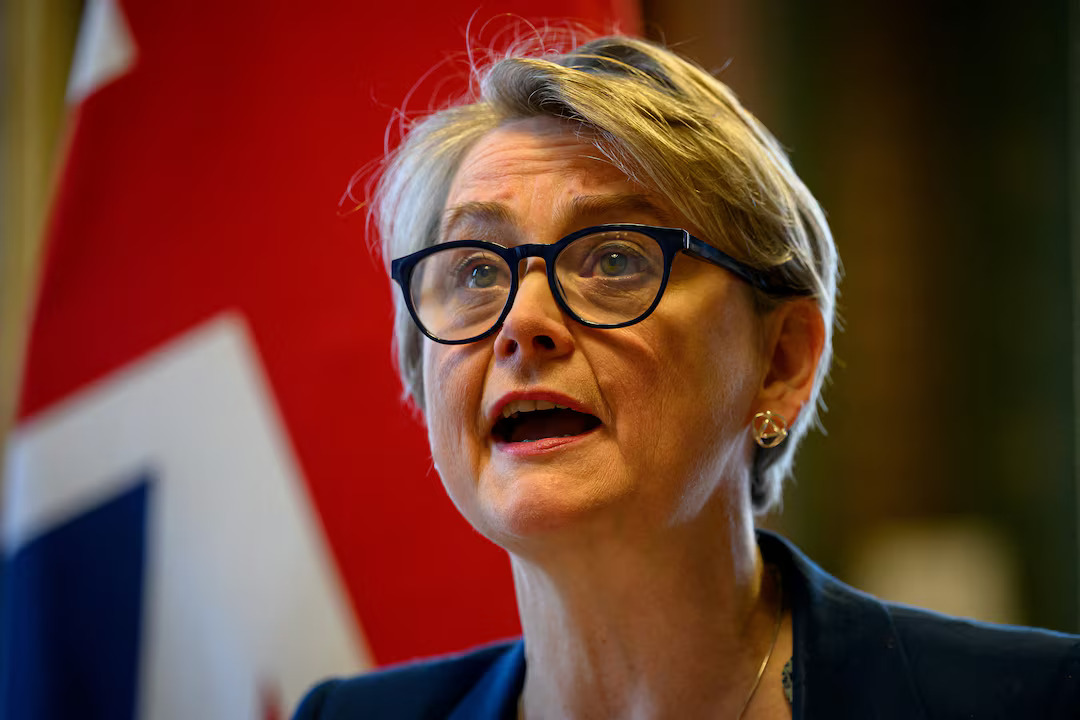
3 Urgent UK foreign minister Lebanon strikes sad facts
UK foreign minister Lebanon strikes warnings are currently dominating the geopolitical landscape, signaling a deeply sad and devastating escalation in Middle Eastern tensions. The international community is watching with absolute horror as the region destabilizes at an unprecedented rate. This specific diplomatic intervention highlights the extreme fragility of current peace frameworks. When international leaders utilize such severe rhetoric to condemn military actions, it immediately shifts the global economic and political paradigms. We will analyze the immediate fallout, the humanitarian emergency, and the long-term consequences of these devastating aerial bombardments. The stakes for global security have never been higher, and understanding the nuances of this diplomatic rupture is absolutely essential for anyone monitoring international relations today.
Analyzing the UK foreign minister Lebanon strikes statement
To fully grasp the gravity of the current situation, we must meticulously decode the UK foreign minister Lebanon strikes statement that was broadcast to the world. This calculated terminology was not an accident; it represents a significant hardening of the European diplomatic posture. By publicly condemning the massive bombardment, the British government is drawing a definitive line in the sand. This rhetoric is designed to apply maximum political pressure on the allied nations currently engaged in active combat operations. It underscores a growing, palpable frustration among Western capitals regarding the relentless, unchecked escalation of violence that threatens to engulf the entire region in an endless war.
For a comprehensive understanding of how diplomatic language dictates international policy, we highly recommend reviewing the foundational documents at the United Nations Charter on Diplomatic Relations. This external resource provides the legal framework that governs these high-stakes political interactions.
The Immediate Humanitarian Emergency Unfolding
The primary catalyst for the UK foreign minister Lebanon strikes condemnation is the catastrophic, devastating humanitarian emergency unfolding on the ground right now. Tactical military operations have resulted in overwhelming, tragic damage to civilian infrastructure. Residential districts, healthcare facilities, and critical supply routes have been systematically annihilated by the relentless aerial assaults. Emergency response teams are operating under totally impossible conditions, frantically navigating through the rubble of collapsed structures to rescue trapped civilians before time completely runs out.
The sheer scale of the destruction necessitates immediate, massive international intervention. Hospitals are entirely overwhelmed, struggling to treat thousands of critically wounded patients without adequate electricity, clean water, or essential medical supplies. This grim, sad reality is precisely why the UK foreign minister Lebanon strikes warning was issued with such extreme urgency. The human toll is completely unacceptable to the global community, and the moral imperative to halt the bombings immediately is undeniable.
To track our ongoing internal coverage of regional aid efforts, please visit our Global Humanitarian Crisis Hub.
How the UK foreign minister Lebanon strikes impact global markets
Beyond the immediate loss of human life, the UK foreign minister Lebanon strikes crisis carries profound, overarching economic consequences that extend far beyond the immediate conflict zones. Global financial markets are highly sensitive to sudden, violent geopolitical shocks. This is particularly true for events that threaten critical, narrow shipping lanes and vital international energy supply routes.
A prolonged, deeply damaging conflict almost guarantees severe disruptions to the maritime chokepoints that facilitate the daily transit of a massive percentage of the world’s petroleum resources. Investors, hedge fund managers, and economic analysts are closely monitoring the diplomatic fallout today. The escalating rhetoric, highlighted by the UK foreign minister Lebanon strikes condemnation, has already triggered noticeable, dangerous volatility in global commodity prices. If the military operations continue to degrade regional infrastructure, the threat of a widespread, crippling global energy crisis increases exponentially with every single airstrike.
For further context on how conflict impacts inflation, you can analyze the public data provided by the International Monetary Fund (IMF).
The European Diplomatic Revolt
It is critical to recognize that the recent statements from London do not exist in total isolation. They are part of a much larger, highly coordinated diplomatic strategy across the entire European continent. The UK foreign minister Lebanon strikes alert effectively acted as the initial catalyst for a broader European revolt against the massive military escalation. Following the British declaration, numerous European capitals issued synchronized, severe condemnations.
Spain, France, and Italy have all mobilized their highest-level diplomatic corps to apply maximum pressure on all the involved warring parties. This unified stance represents a significant geopolitical development. European powers are aligning their foreign policies to project absolute strength and diplomatic unity on the global stage. The collective European reaction demonstrates a growing willingness to challenge traditional alliance boundaries. This coalition, spearheaded by the sentiments expressed in the UK foreign minister Lebanon strikes warning, is actively leveraging its immense economic and political influence to force an immediate return to the negotiating table.
Seeking a Sustainable Ceasefire Resolution
The path forward requires an unprecedented level of international cooperation, diplomatic finesse, and mutual compromise. The UK foreign minister Lebanon strikes address aims to protect the fragile global peace by demanding a comprehensive, binding ceasefire extension. Negotiators must address the deep-rooted causes of the hostilities rather than merely applying temporary bandages to the systemic symptoms of war.
The implementation of robust, legally binding frameworks that guarantee mutual security is absolutely vital. Furthermore, global institutions must provide the necessary financial assistance for massive, long-term rebuilding efforts. By prioritizing humanitarian aid and sustained diplomatic dialogue, the international community can pave the way for a more stable, secure, and prosperous future. The UK foreign minister Lebanon strikes condemnation serves as a stark reminder that military force alone cannot solve these historically complex regional conflicts.
For detailed breakdowns of proposed peace treaties, ensure you bookmark our internal Peace Negotiations Tracking Portal.
The Long-Term Consequences of the Conflict
Looking at the broader historical context, the region has long been characterized by a complex interplay of political alliances and deep-seated animosities. Decades of unresolved territorial disputes have created a highly volatile environment where even minor provocations can trigger massive, overwhelming military responses that shock the world.
Consequently, achieving a sustainable resolution demands more than just a temporary cessation of violence; it requires a comprehensive, sweeping overhaul of the entire regional security architecture. Diplomatic envoys are currently exploring various, highly complex peace proposals. These include the establishment of permanent demilitarized zones and the deployment of heavily armed multinational monitoring forces. These initiatives aim to build fragile trust among the belligerent factions, creating a conducive atmosphere for long-term, binding peace negotiations.
The UK foreign minister Lebanon strikes intervention is a desperate attempt to accelerate these peace initiatives before the window of opportunity completely closes. The success of these endeavors hinges entirely on the political will of the involved leadership. They must be willing to make incredibly difficult, highly unpopular domestic concessions for the greater good of regional stability.
The Role of International Law
Legal scholars are currently actively debating the boundaries of international humanitarian law in relation to this conflict. The proportionality of the relentless airstrikes is being evaluated against the strict criteria established by the Geneva Conventions. War crimes tribunals may eventually be convened to thoroughly investigate the systematic targeting of civilian population centers.
Gathering verifiable forensic evidence in the middle of an active, chaotic warzone remains an incredibly dangerous and difficult task for international observers. However, the documentation of these events is crucial for future accountability. The UK foreign minister Lebanon strikes statement subtly alludes to these impending legal ramifications. By highlighting the deeply damaging nature of the campaign, diplomats are laying the groundwork for potential future legal actions against those responsible for the widespread destruction.
You can read the full text of the treaties governing armed conflict at the International Committee of the Red Cross (ICRC).
The Psychological Toll on Civilians
The psychological trauma inflicted upon the civilian population will undoubtedly take multiple generations to heal. Children growing up in these active conflict zones are particularly vulnerable to severe, long-term mental health crises. Educational systems have completely collapsed across the most heavily bombarded regions, leaving an entire generation without access to basic learning or safety.
Schools have been converted into makeshift, overcrowded refugee centers. The agricultural sector is also facing complete devastation due to the ongoing hostilities, threatening to trigger a massive, widespread famine. International food aid agencies are warning of a looming, unmitigated catastrophe if safe access is not granted immediately. The UK foreign minister Lebanon strikes warning is heavily driven by these horrifying domestic realities. It is a desperate plea to stop the violence before the social fabric of the entire nation is permanently, irreparably destroyed.
Conclusion: Waiting for a Diplomatic Breakthrough
The situation remains incredibly fluid and inherently dangerous today. Every passing hour without a definitive truce increases the likelihood of an irreversible, catastrophic regional collapse. The world is holding its collective breath, waiting to see if high-level diplomacy can finally triumph over the deafening sounds of artillery and devastating aerial bombardments.
The coming weeks will fiercely test the resolve and unity of the Western alliance. Their ability to project a cohesive, strong diplomatic front will be absolutely crucial in ending this horrific, sad conflict. The UK foreign minister Lebanon strikes crisis serves as a pivotal, historic turning point in modern international relations. It highlights the urgent need for a new paradigm for Middle Eastern security—one that prioritizes human rights, equitable resource distribution, and mutual respect over traditional, brute military dominance.
We will continue monitoring these rapidly unfolding developments around the clock. Our commitment is to provide our readers with the most accurate, verified, and deeply analytical updates available anywhere on the internet. Please ensure you remain closely connected to our internal Global Geopolitics News Hub for the latest strategic breakdowns, real-time humanitarian assessments, and comprehensive policy analysis. The days ahead will be absolutely critical in determining the future trajectory of the Middle East, and staying informed with verified, factual reporting is more important now than ever before.
📲 Follow Yalla TV For Live Courtroom Updates
Do not miss a single breaking update when the judge hands down the final verdict. Join the Yalla TV community across all our digital platforms for real-time alerts, exclusive video breakdowns, and behind-the-scenes entertainment coverage:
-
Instagram: Follow @YallaTV on Instagram
-
TikTok: Watch viral updates on TikTok
-
X (Twitter): Get breaking text alerts on X
-
Facebook: Join the conversation on Facebook
-
LinkedIn: Follow our corporate news on LinkedIn
-
Threads: Chat with our hosts on Threads