
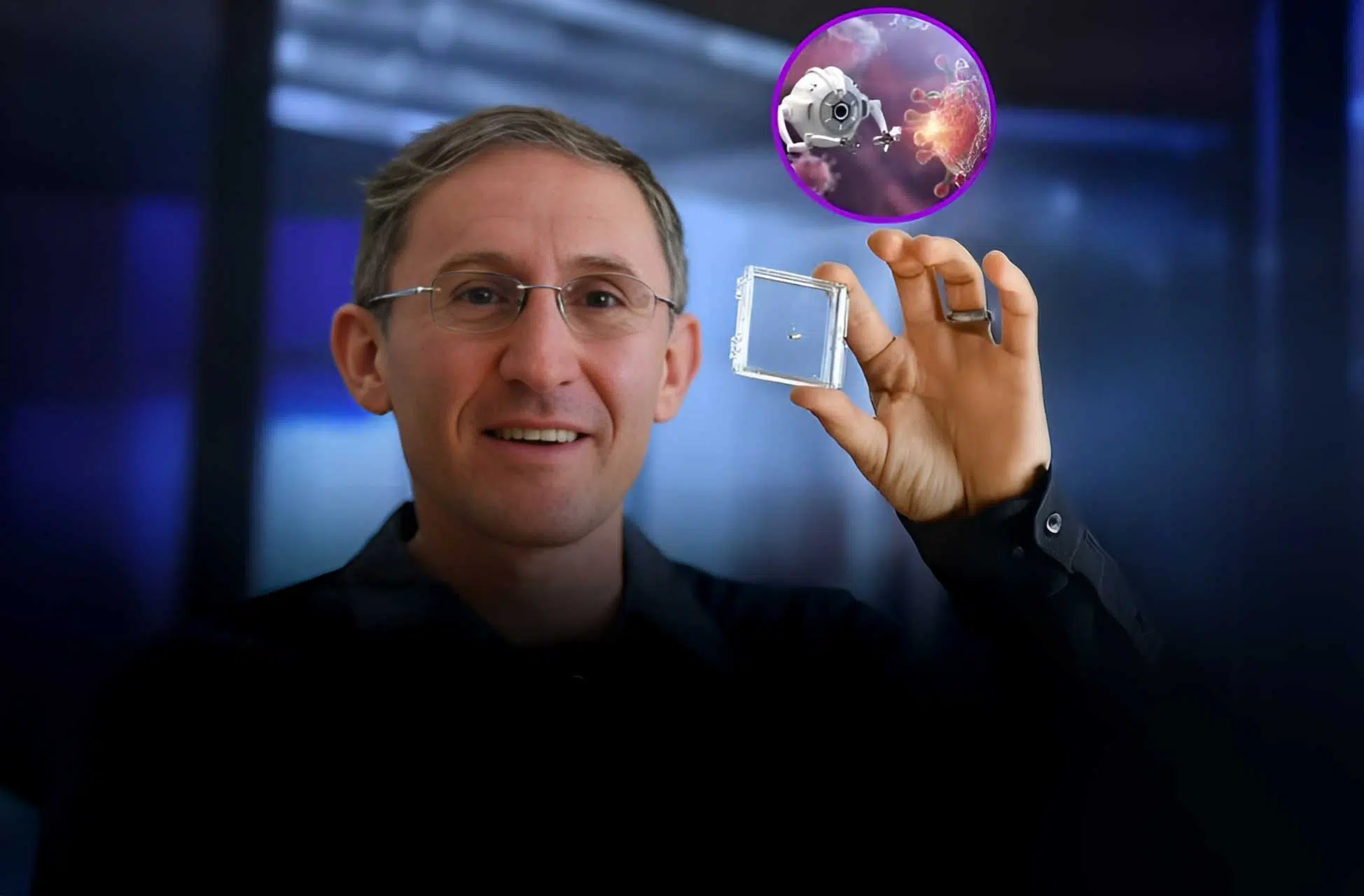
Sweden — Revolutionary nanorobots could reshape the future of cancer treatment
In a groundbreaking breakthrough that could transform modern cancer treatment, Swedish scientists have successfully developed microscopic robots capable of identifying and destroying cancer cells within the human body — offering new hope for millions of patients worldwide.
A team of researchers from the Karolinska Institute and KTH Royal Institute of Technology unveiled their latest findings earlier this week. These nanoscale robots, made of biodegradable materials and programmed to selectively attack malignant cells, represent one of the most advanced applications of nanotechnology in medicine to date.
“Our nanorobots can detect cancer markers with extreme precision and deliver targeted treatment directly to tumor cells without harming healthy tissue,” said Dr. Erik Johansson, the project’s lead researcher at Karolinska Institute. “This ensures fewer side effects compared to conventional therapies like chemotherapy or radiation.”
How the Robots Work
The tiny robots, measuring only a few hundred nanometers in size, are equipped with molecular sensors that can recognize biomarkers unique to cancer cells. Once they locate a tumor, they attach themselves to its surface and deliver a highly localized therapeutic payload, such as drugs or gene-editing molecules, that can kill the cancer cell or stop its growth.
What sets this innovation apart is its biodegradability and programmed selectivity — minimizing damage to surrounding healthy cells, a major drawback in current cancer treatments.
Successful Preclinical Trials
Initial laboratory tests and animal studies have shown remarkable results. In mouse models of aggressive cancers like pancreatic and breast tumors, the robots eradicated up to 90% of cancer cells within weeks, with minimal adverse effects.
“We’re seeing unprecedented tumor shrinkage rates, and most importantly, we’re sparing healthy tissue — a goal we’ve long dreamed of in oncology,” added Professor Karin Lindström, co-author from KTH Royal Institute of Technology.
Next Steps
The team is now preparing for human clinical trials, expected to begin in late 2026, pending regulatory approvals. If successful, these nanorobots could complement or even replace traditional treatments, potentially changing the landscape of cancer therapy within the next decade.
Global Implications
Medical experts around the world are calling this innovation a “game changer”.
“This could be the most precise and least invasive cancer treatment ever developed,” said Dr. Ayesha Patel, an oncologist unaffiliated with the study. “We are witnessing the dawn of a new era in cancer therapeutics.”
Conclusion
While more testing is needed, the success of Sweden’s nanorobot project signals a major leap forward in the global fight against cancer — combining cutting-edge science with real-world applications that could save millions of lives.
YAllA TV – www.yallatv.ae
Leave a Reply