
10 UAE Fake Video Arrests: Urgent WhatsApp Warning for Expats
If you are currently participating in local WhatsApp or Telegram groups, you need to be on high alert. The Attorney-General of the United Arab Emirates, Dr. Hamad Saif Al Shamsi, has officially mandated a series of UAE fake video arrests, resulting in the immediate detention of 10 suspects of various nationalities.
The charges are incredibly severe, and authorities are cracking down aggressively on anyone spreading panic. Whether you are actively creating content, running a local blog, or simply forwarding a message to a friend to ask if it is real, understanding the law has never been more critical. Here is exactly what you need to know to protect yourself, your family, and your digital footprint during this crackdown.
The Crime: What Triggered the UAE Fake Video Arrests?
The individuals detained in this recent sweep are facing severe legal consequences under the UAE’s strict digital regulations. The UAE fake video arrests stem from two highly illegal online activities carried out earlier this week across multiple social media platforms, including TikTok and Instagram.
1. Publishing Real Military Footage
The suspects illegally filmed and published highly sensitive, real video clips of the UAE air defense systems actively intercepting attacks. Sharing any footage of military movements, defense systems, aviation assets, or secure locations is a direct and severe violation of national security protocols.
2. Spreading AI-Generated Panic
Worse than sharing real footage, these individuals maliciously published fabricated, AI-generated clips. These heavily manipulated videos falsely depicted massive explosions that never actually occurred. Authorities noted that these synthetic videos were engineered specifically to intentionally incite public panic, spread malicious rumors, and exploit the emotional vulnerabilities of children and families residing in the country.
Understanding the Severe Legal Penalties
The UAE takes digital security and public safety incredibly seriously. Being caught up in the ongoing UAE fake video arrests is not a minor offense. Under Federal Decree-Law No. 34 of 2021 Concerning the Fight Against Rumors and Cybercrimes, individuals found guilty of spreading false information or fabricated media that endangers national security face life-altering consequences.
-
Massive Financial Fines: Penalties for these types of cybercrimes are staggering, frequently ranging from AED 100,000 to AED 2,000,000 depending on the severity of the panic caused.
-
Lengthy Imprisonment: Offenders face substantial jail time for intentionally inciting public fear or compromising state security.
-
Immediate Deportation: For expatriates, a conviction under these specific cyber laws almost always results in immediate deportation following the completion of the prison sentence, with a permanent ban from re-entering the country.
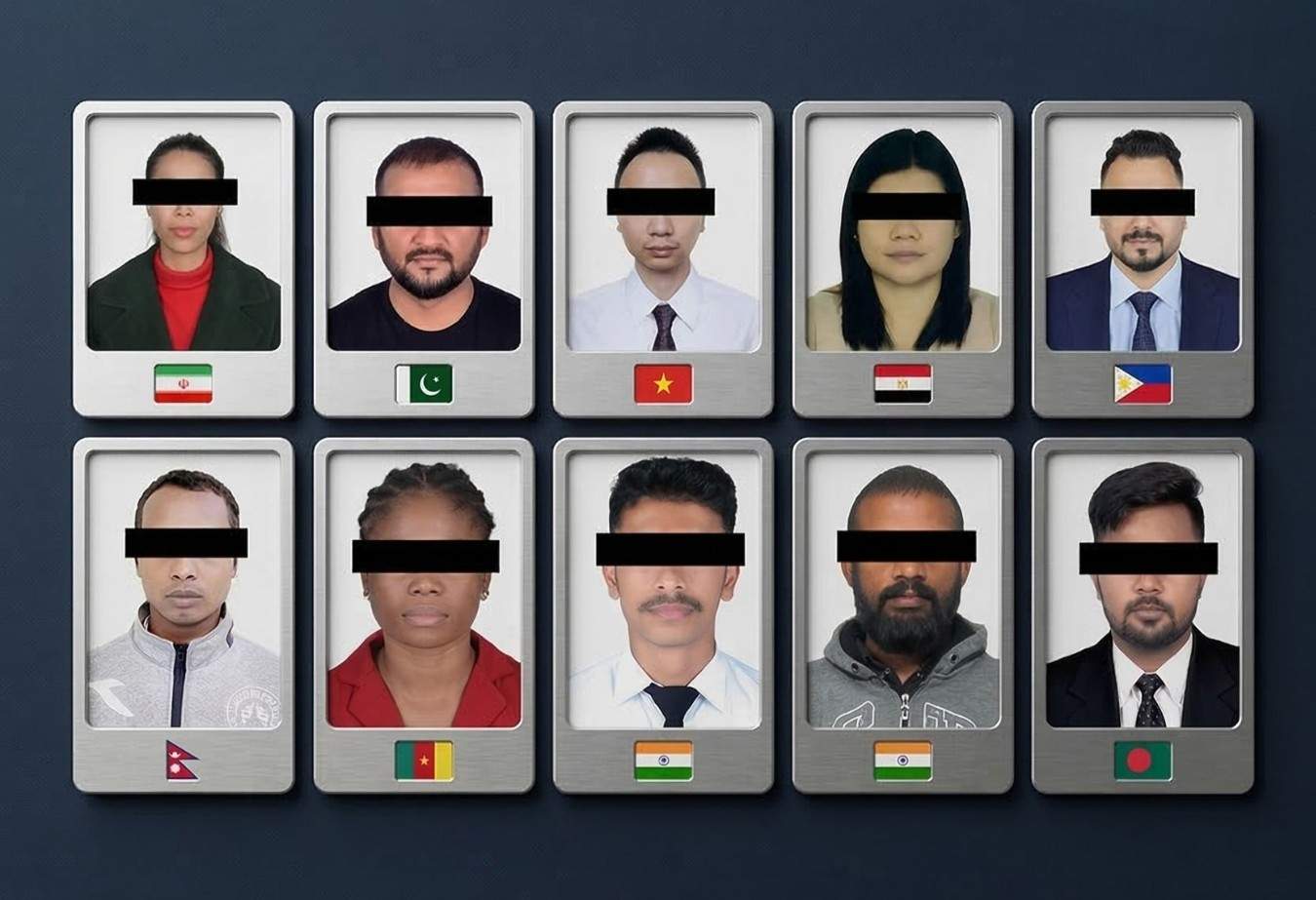
Urgent warning: Attorney-General orders 10 UAE fake video arrests. Suspects detained for sharing fabricated air defense clips. Do not share!
How to Spot Fabricated AI Media
As the investigation into the UAE fake video arrests unfolds, it is vital for residents to become digitally literate. AI-generated videos are becoming more convincing, but they often leave digital footprints. Here is how you can protect yourself from believing and sharing fake news:
-
Look for Glitches: AI struggles with complex physics. Look closely at smoke patterns, shadows, and reflections. They often move unnaturally or pixelate at the edges.
-
Check the Audio: Fabricated videos often use generic, looping explosion sounds that do not match the visual distance of the event.
-
Verify the Source: If a massive event occurs, it will be immediately reported by state agencies. If a video is only circulating in obscure Telegram groups or unverified WhatsApp chats, assume it is fake.
The WhatsApp Trap: How Expats Accidentally Break the Law
The local expat community is overwhelmingly law-abiding. However, residents are frequently careless in private WhatsApp group chats. We call this “The Algorithm Trap” or the “Warning Share,” and it is the easiest way to accidentally become a target in the UAE fake video arrests.
When a terrifying (but fake) video surfaces, a well-meaning resident will often forward it to their family or community group with a caption like: “Look at this! Stay safe today!” or “Did you guys see this? Is it real?” Under the law, sharing or forwarding fabricated news, rumors, or sensitive military footage—even with the pure intention of warning others or asking for verification—is highly illegal. By forwarding the clip, you transition from a bystander to an active node in the distribution network spreading panic.
Your 3-Step Digital Survival Guide:
-
Stop the Chain: If you receive a video showing defense systems or unverified explosions, do not forward it to anyone. Not even your closest family members.
-
Delete Immediately: Remove the media from your camera roll, clear your WhatsApp cache, and delete the message directly from the chat.
-
Rely on Official Sources: Only trust news from official government channels like the Emirates News Agency , established state-run news agencies or other trustable sources.
Watch the Official Breakdown on Yalla TV
To ensure you understand exactly what to avoid without exposing yourself to illegal content, the team at Yalla TV has put together a comprehensive, legally compliant video breakdown of this developing story. This breakdown explains the UAE fake video arrests safely and clearly.
Instead of sharing dangerous rumors in your group chats, share these official news links below to warn your friends and keep your community safe:
-
Watch on Instagram: Get the quick breakdown on Reels
-
Watch on TikTok: Join the discussion on TikTok
-
Watch on YouTube: View the high-res YouTube Short
Ignorance of the law is never an excuse. As the investigation into these 10 UAE fake video arrests continues, authorities are actively utilizing advanced algorithms to monitor digital platforms for further violations. Protect your digital footprint, audit your WhatsApp groups immediately, and ensure you are only consuming media from verified, trusted local news outlets.