
2024 Poised to Be the Hottest Year on Record: WMO Report
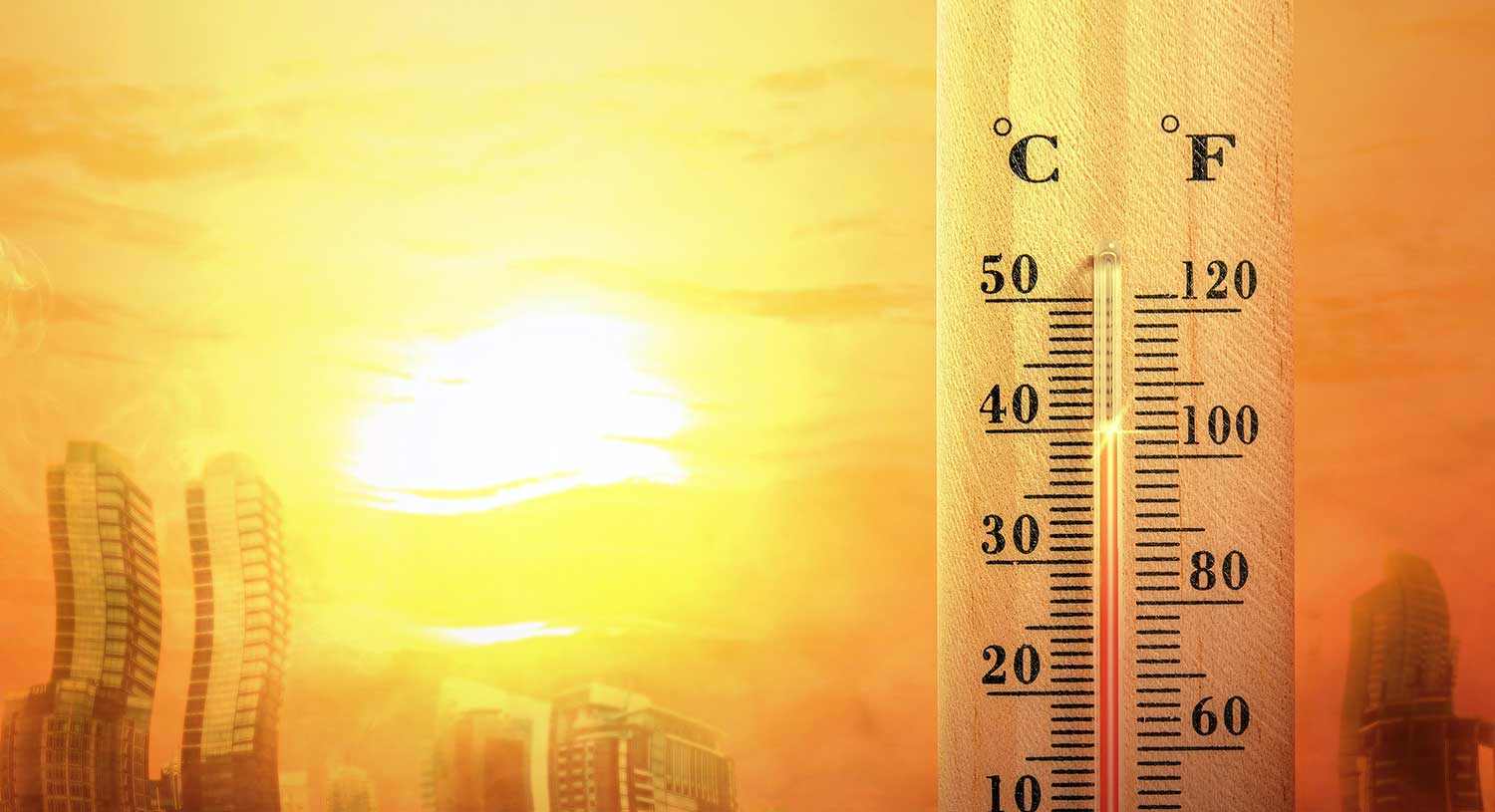
GENEVA – The World Meteorological Organization (WMO) has reported that 2024 is on track to become the hottest year on record, largely due to the diminishing cooling influence of the La Niña climate phenomenon.
La Niña is characterized by the extensive cooling of sea surface temperatures in the central and eastern tropical Pacific Ocean, leading to atmospheric changes such as shifts in wind patterns, pressure systems, and rainfall distribution.
In its latest report released today in Geneva, the WMO projected that there is a 55% chance of La Niña conditions developing between December 2024 and February 2025, transitioning from the current neutral climate state. Additionally, there is a similar 55% probability of returning to neutral conditions between February and April 2025.
La Niña is typically associated with broad-scale cooling of the Pacific Ocean and changes in tropical atmospheric circulation, often leading to climatic impacts opposite to those of its counterpart, El Niño. El Niño, the warming phase of this cycle, disrupts cold water upwelling near South America and drives higher sea surface temperatures across the Pacific, contributing to global atmospheric warming.
However, the WMO emphasized that natural climate patterns like El Niño and La Niña are unfolding against the backdrop of human-induced climate change, which remains the primary driver of rising global temperatures, extreme weather events, and shifting precipitation patterns.
The report noted that 2024 began under El Niño conditions, which fueled record warmth, and despite the potential emergence of La Niña, its cooling effects are unlikely to counteract the ongoing impact of greenhouse gas emissions.
WMO Secretary-General Celeste Saulo highlighted the broader implications of this trend, stating, “Even if La Niña develops, its short-term cooling effect cannot offset the relentless warming caused by greenhouse gases trapping heat in the atmosphere.” She further noted that since May, extreme weather events such as record-breaking rainfall and severe flooding have occurred even in the absence of El Niño or La Niña, underscoring the growing influence of climate change.
The report stressed the importance of seasonal forecasts for El Niño and La Niña, as these projections play a critical role in enabling early warnings and proactive climate adaptation measures worldwide.
According to the WMO, sea surface temperatures are expected to remain above average across most ocean basins, except for the eastern equatorial Pacific, where weak La Niña conditions are anticipated. As a result, temperatures across most land areas globally are likely to remain above normal, contributing to the ongoing trend of record-breaking warmth.
Login Required
To maintain a high-quality community and prevent spam, only verified members can leave comments.
Login to Comment